 Image 1 of 4
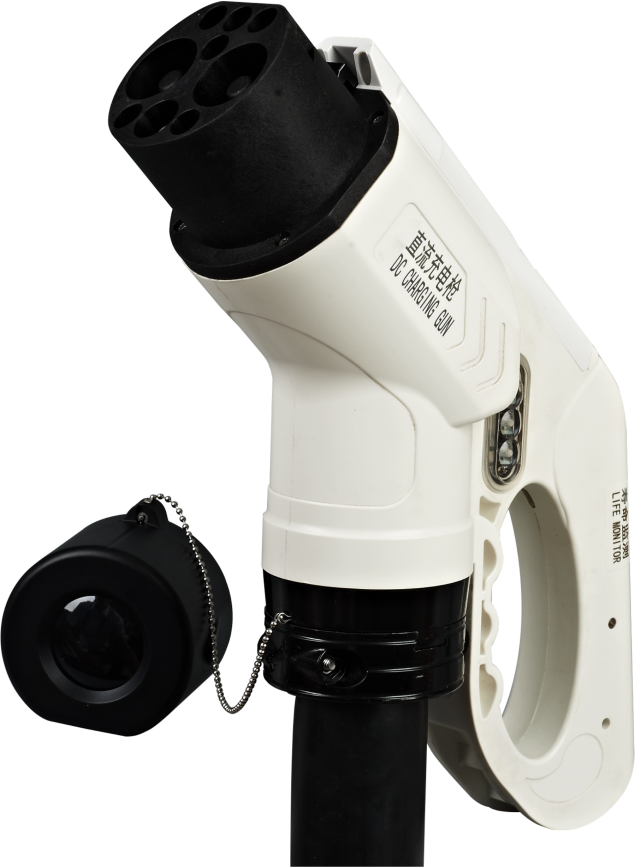 Image 2 of 4
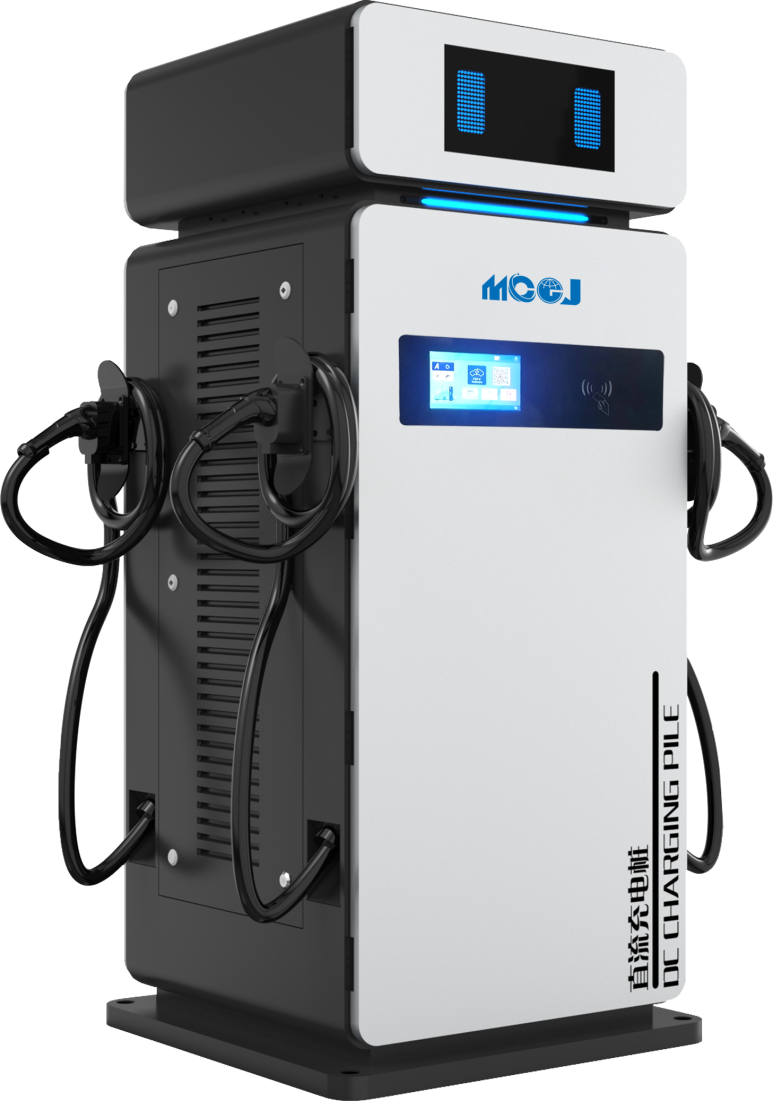 Image 3 of 4
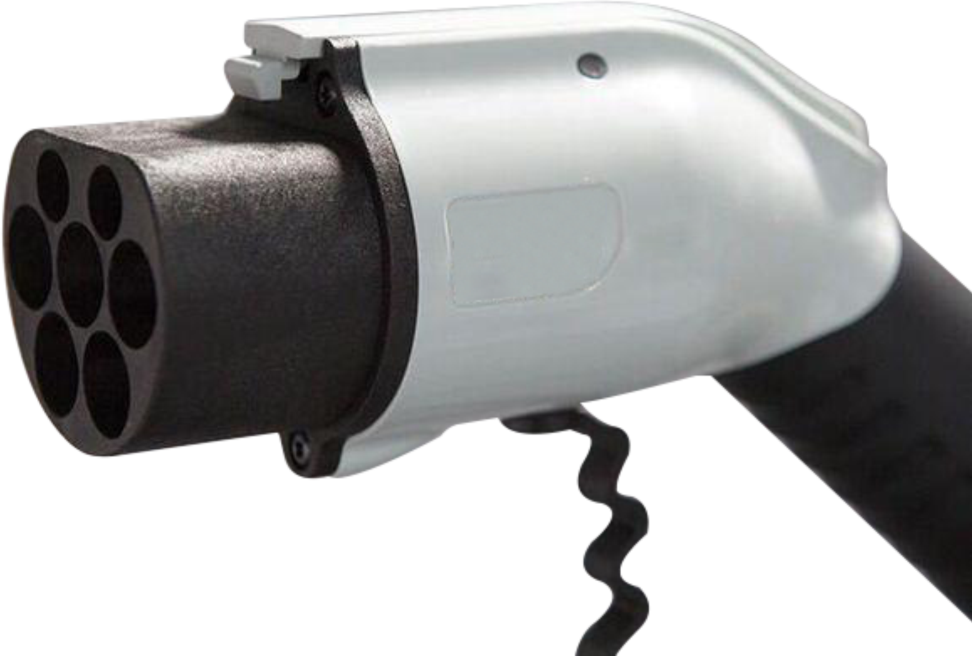 Image 4 of 4
Power Output Scaling: Available in configurations of 120kW, 160kW, 180kW, and up to 240kW.
Dual Output Architecture: Standard sheet-metal layout balances a massive DC fast-charge system alongside a supplementary 22kW AC fast charger (32A AC).
Input Power Requirement: 380V Three-Phase AC ($\pm$20%), 50Hz–60Hz (Requires a dedicated commercial grid transformer setup).
Wide Voltage Range: 200V to 1000V DC (compatible with both standard 400V battery architectures and modern 800V high-voltage platforms).
Protection Class: IP54 Rated (Dust-protected and splashing water-resistant, built out of rugged sheet metal for high-traffic public installations).
Intelligent Power Allocation: When 3 or 4 vehicles plug in at once, the internal computer dynamically splits and balances the kilowatt load among the active guns based on the vehicles' demand and the total available grid load.
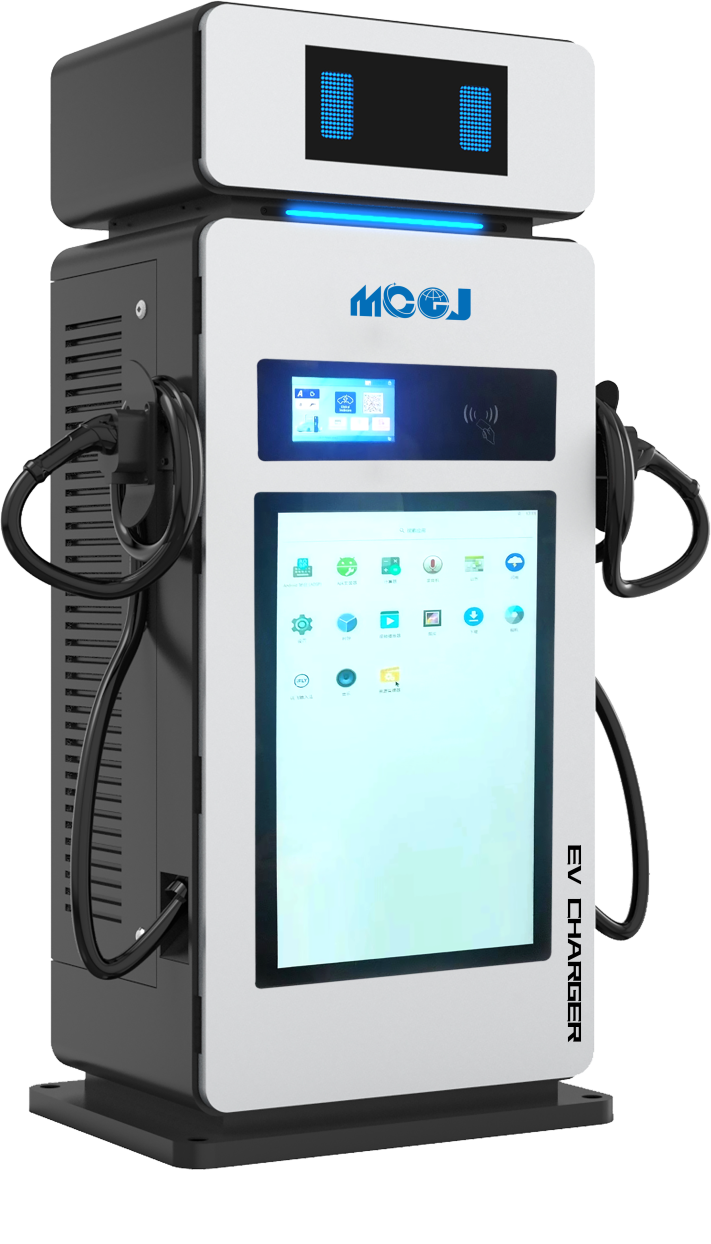
Smart Interaction & Payments: Built with a large 7 to 10-inch color touch screen. It supports activation via VIN code matching, RFID card, QR Code scanning, or physical POS credit card terminals.
Full Backend Control (OCPP 1.6): Fully compatible with Open Charge Point Protocol 1.6. This is crucial if you want to link the charger to a localized network management system or tie it into local digital payment gateways like telebirr or CBE Birr.
Connectivity: Built-in hardware for 4G cellular networks, Wi-Fi, and hardwired Ethernet to ensure it stays online for remote tracking and billing data.
Chassis Size: 1900 x 700 x 600 mm (Standing at roughly 1.9 meters / 6.2 feet tall, it is a prominent ground-mounted pedestal station).
Gross Weight: 300 kg (Heavy structural sheet metal unit requiring a poured concrete foundation block and heavy-duty anchoring).
Safety Suite: Full active hardware defenses against over-voltage, under-voltage, short-circuit, ground faults, power surges, and severe internal temperature fluctuations.
Power Output Scaling: Available in configurations of 120kW, 160kW, 180kW, and up to 240kW.
Dual Output Architecture: Standard sheet-metal layout balances a massive DC fast-charge system alongside a supplementary 22kW AC fast charger (32A AC).
Input Power Requirement: 380V Three-Phase AC ($\pm$20%), 50Hz–60Hz (Requires a dedicated commercial grid transformer setup).
Wide Voltage Range: 200V to 1000V DC (compatible with both standard 400V battery architectures and modern 800V high-voltage platforms).
Protection Class: IP54 Rated (Dust-protected and splashing water-resistant, built out of rugged sheet metal for high-traffic public installations).
Intelligent Power Allocation: When 3 or 4 vehicles plug in at once, the internal computer dynamically splits and balances the kilowatt load among the active guns based on the vehicles' demand and the total available grid load.
Smart Interaction & Payments: Built with a large 7 to 10-inch color touch screen. It supports activation via VIN code matching, RFID card, QR Code scanning, or physical POS credit card terminals.
Full Backend Control (OCPP 1.6): Fully compatible with Open Charge Point Protocol 1.6. This is crucial if you want to link the charger to a localized network management system or tie it into local digital payment gateways like telebirr or CBE Birr.
Connectivity: Built-in hardware for 4G cellular networks, Wi-Fi, and hardwired Ethernet to ensure it stays online for remote tracking and billing data.
Chassis Size: 1900 x 700 x 600 mm (Standing at roughly 1.9 meters / 6.2 feet tall, it is a prominent ground-mounted pedestal station).
Gross Weight: 300 kg (Heavy structural sheet metal unit requiring a poured concrete foundation block and heavy-duty anchoring).
Safety Suite: Full active hardware defenses against over-voltage, under-voltage, short-circuit, ground faults, power surges, and severe internal temperature fluctuations.